I’m building StillFrame AI – an AI companion that actually understands you.
Not a chatbot. Not a therapist replacement. A constant presence that listens, remembers everything, and helps you spot patterns you’re too close to see.

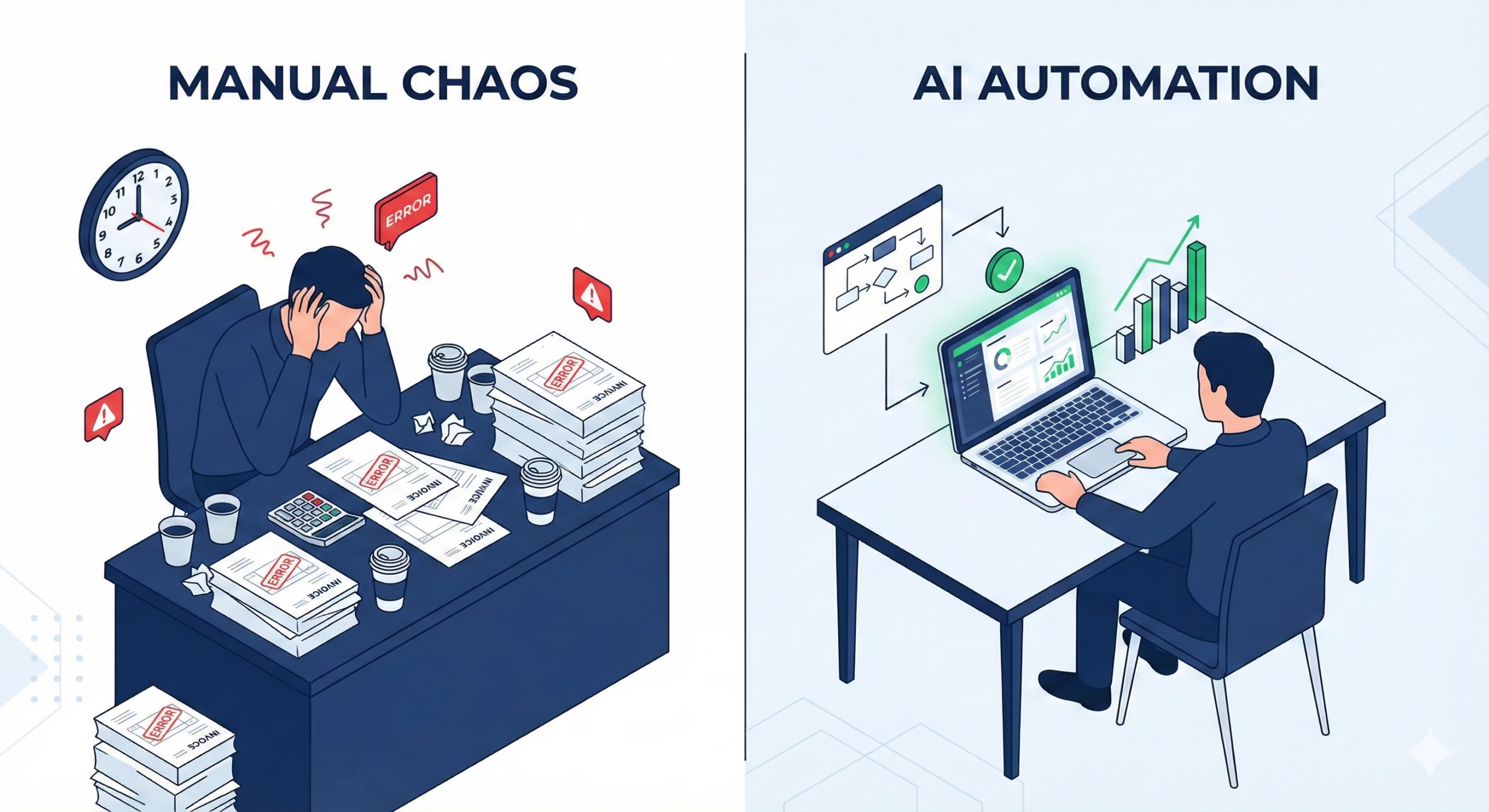
The Problem I Saw
Here’s what I know: therapy costs ₹3000 per session and is booked for weeks. Friends give advice based on their own biases. AI chatbots just parrot emotional responses.
There’s a gap for something that is always available, actually remembers everything you’ve said, spots patterns you’re too close to see, and gives real psychologists better data to work with.
That’s StillFrame AI.
Is it solving a huge problem? Maybe. Am I the right person to build it? Don’t know yet. But I see the gap, and I’m filling it.
How I Think About Building
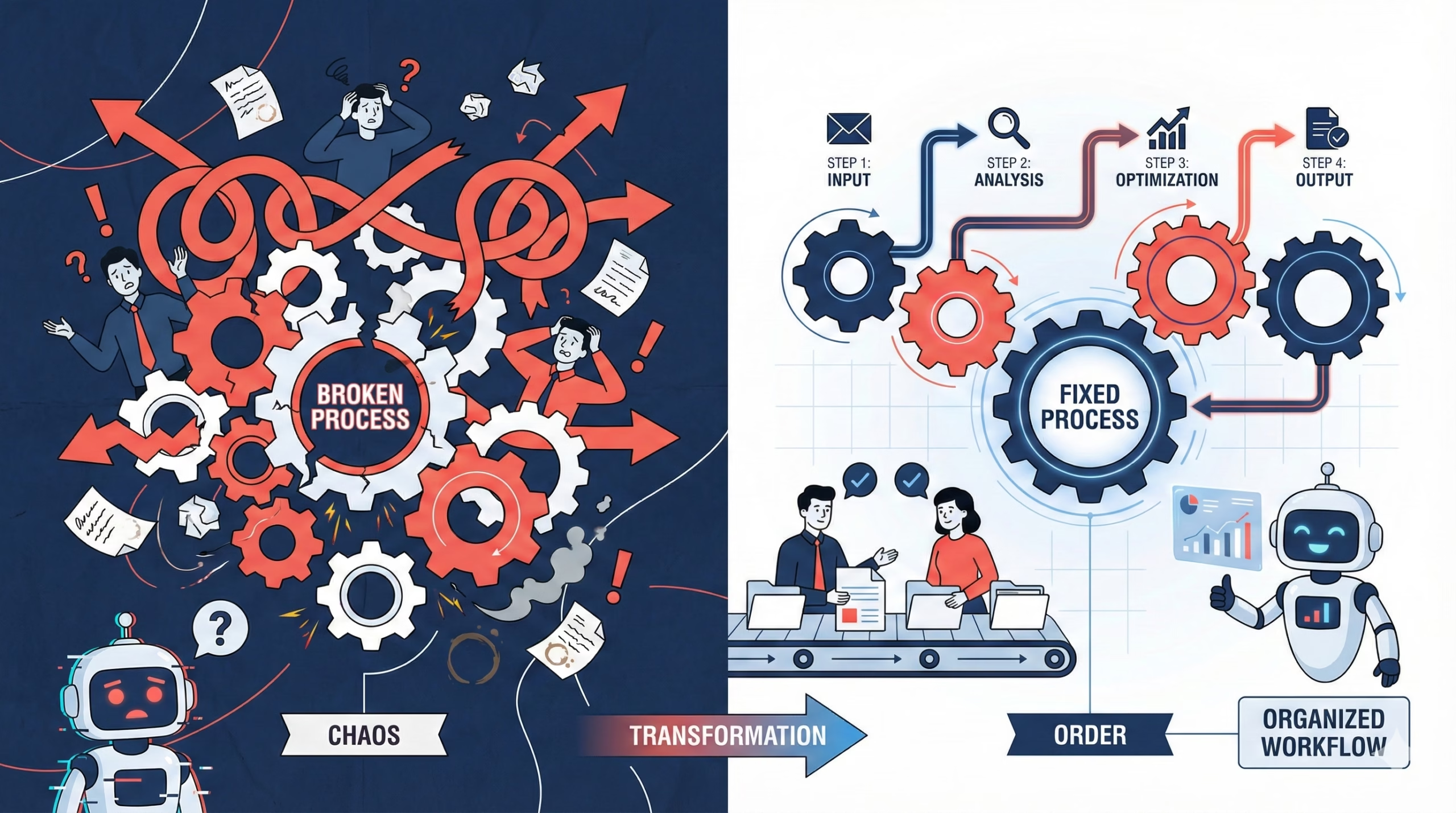
See gap → build solution → learn from reality → iterate.
I’m not here to sell dreams. I’m here to document what works and what breaks.
My Current Challenge
I’m 22, dropped out of college, and learning in public. Right now, the first challenge I’m working on is making conversations feel natural while maintaining perfect memory.
Harder than it sounds.
What I Built So Far
Day 1 progress on StillFrame AI:
✅ Basic conversation flow using Claude API integration
✅ Session persistence so it actually remembers
✅ Simple UI for testing
❌ Context management – still figuring this out
❌ Pattern recognition – haven’t started
What worked: Getting something functional fast. Even if it’s rough, having something to test against is worth it.
What didn’t: Trying to make it perfect before testing. Wasted 2 days on a feature I ended up throwing away.
The Technical Reality
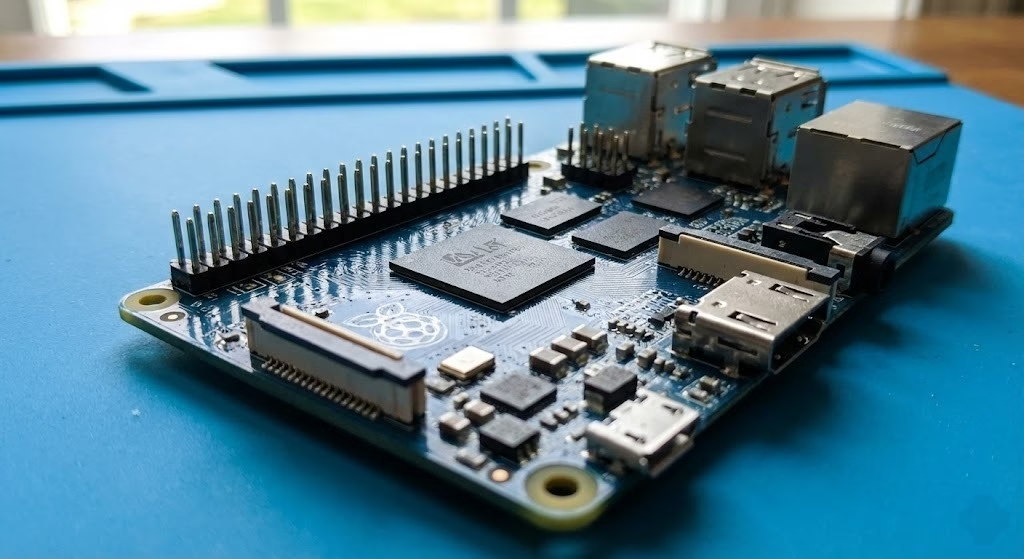
I’m using a Banana Pi Pro as my development environment because I wanted to understand the constraints of edge computing early. If StillFrame AI can run efficiently on this hardware, it can run anywhere.

The stack right now:
- Claude API for conversation intelligence
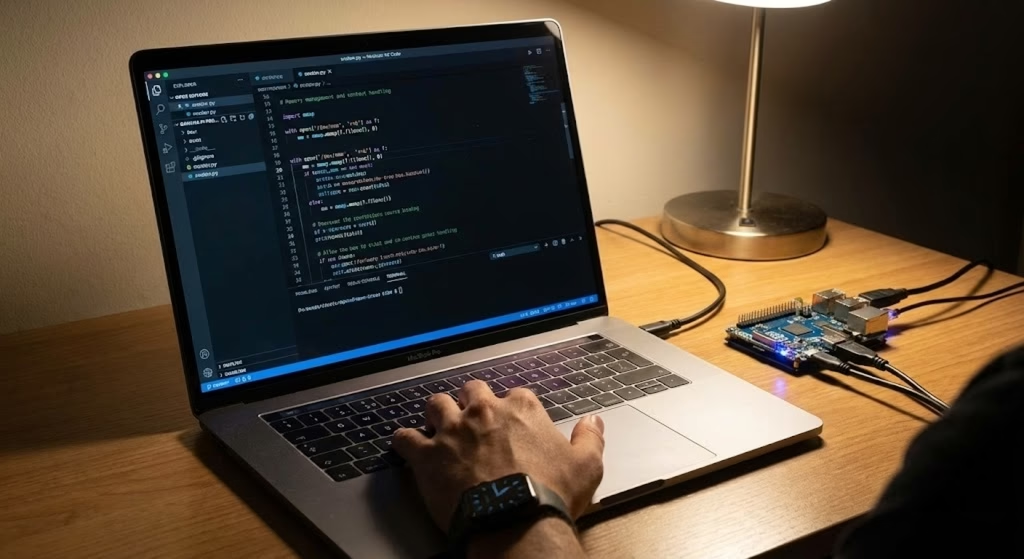
- Python backend for memory management
- Local database for conversation storage
- Simple web interface for testing
Nothing fancy. Just what works.
What I’m Learning
First lesson from building StillFrame AI: AI companions need actual architecture, not just good prompts.
“Remember everything” is a hard engineering problem, not just a prompt.
Context window limits exist. By conversation 3, I was hitting token limits because I was sending the entire conversation history every time.
The fix was building a memory layer that summarizes past conversations and stores them separately, then pulls relevant context based on the current topic.
Messier than I thought. Turns out “remember everything” is a hard engineering problem, not just a prompt instruction.
Next Week’s Focus
Focus on memory architecture. How to surface relevant past conversations without overwhelming context.
If you’re building something that needs long-term memory – AI agents, companions, assistants – what approach are you taking?
Why I’m Sharing This
I’m not trying to go viral. I’m documenting the build because:
- It forces me to think clearly about what I’m actually doing
- Other builders might have solved problems I’m facing
- Credibility comes from building, not from posting about building
The Philosophy Behind StillFrame AI
Hot take: AI won’t replace therapists.
But not for the reason people think.
People say “AI can’t replace human empathy.” True, but irrelevant.
The real reason therapy isn’t about having someone who understands you – it’s about having someone who challenges your patterns and blind spots.
AI can be great at:
- Listening without judgment
- Remembering everything
- Spotting patterns across months of conversations
- Being available 24/7
AI is terrible at:
- Knowing when to push back
- Reading room dynamics
- Making judgment calls about when someone needs intervention vs space
That’s why StillFrame AI isn’t replacing therapists. It’s giving them better data and giving users better access.
Small teams building big output. That’s the actual AI shift, not replacement.

What’s Coming Next
This week on StillFrame AI:
- Building out the memory architecture properly
- Testing with real conversations (not just dev tests)
- Figuring out what “relevant context” actually means in practice
I’ll share what works and what breaks.
Follow Along
If you’re building something in the AI + mental health space, let’s connect. I’m figuring this out, and I’d rather learn from people who know more than me.
This is Day 1 of documenting the build.
More failures and wins coming soon.
About This Build:
StillFrame AI is an AI companion platform designed to provide consistent support while giving mental health professionals better tools. Built with practical constraints in mind, running on resource-efficient hardware, focused on solving real problems rather than chasing hype.
Currently: Early development phase. Learning in public. Making mistakes and documenting them.
Connect: If you’re working on similar problems or have experience with long-term memory in AI systems, I’d love to hear from you.