business strategy
Structure, Not Conspiracy
Regulatory compliance, protest movements, and poverty data all point to the same conclusion about India's political economy since 1991.

Essays and articles across technology, business, ideas, and learning.
Regulatory compliance, protest movements, and poverty data all point to the same conclusion about India's political economy since 1991.
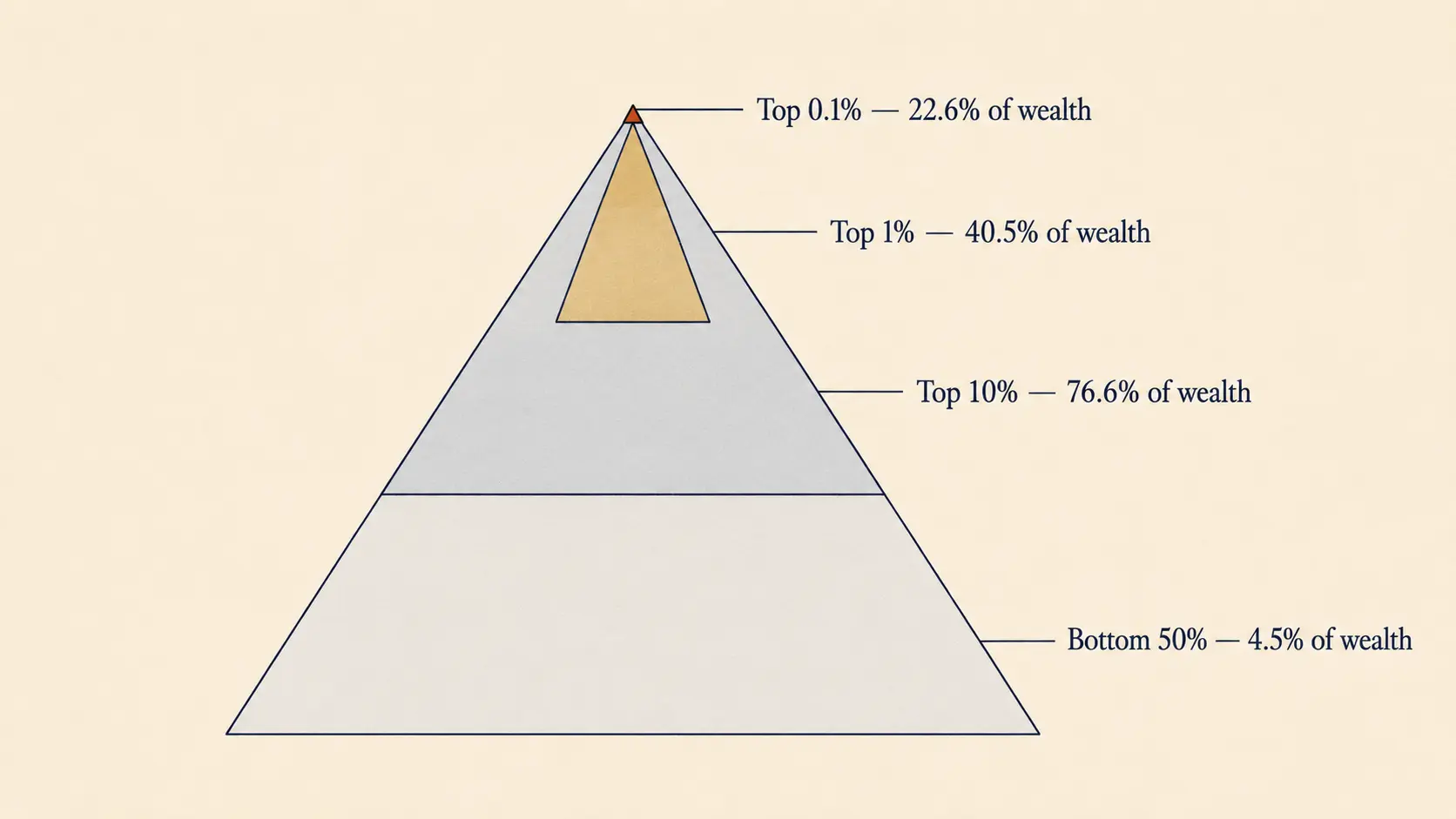
India's top 1% holds 40.1% of national wealth. A data-first look at wealth concentration, tax incidence, and household debt.
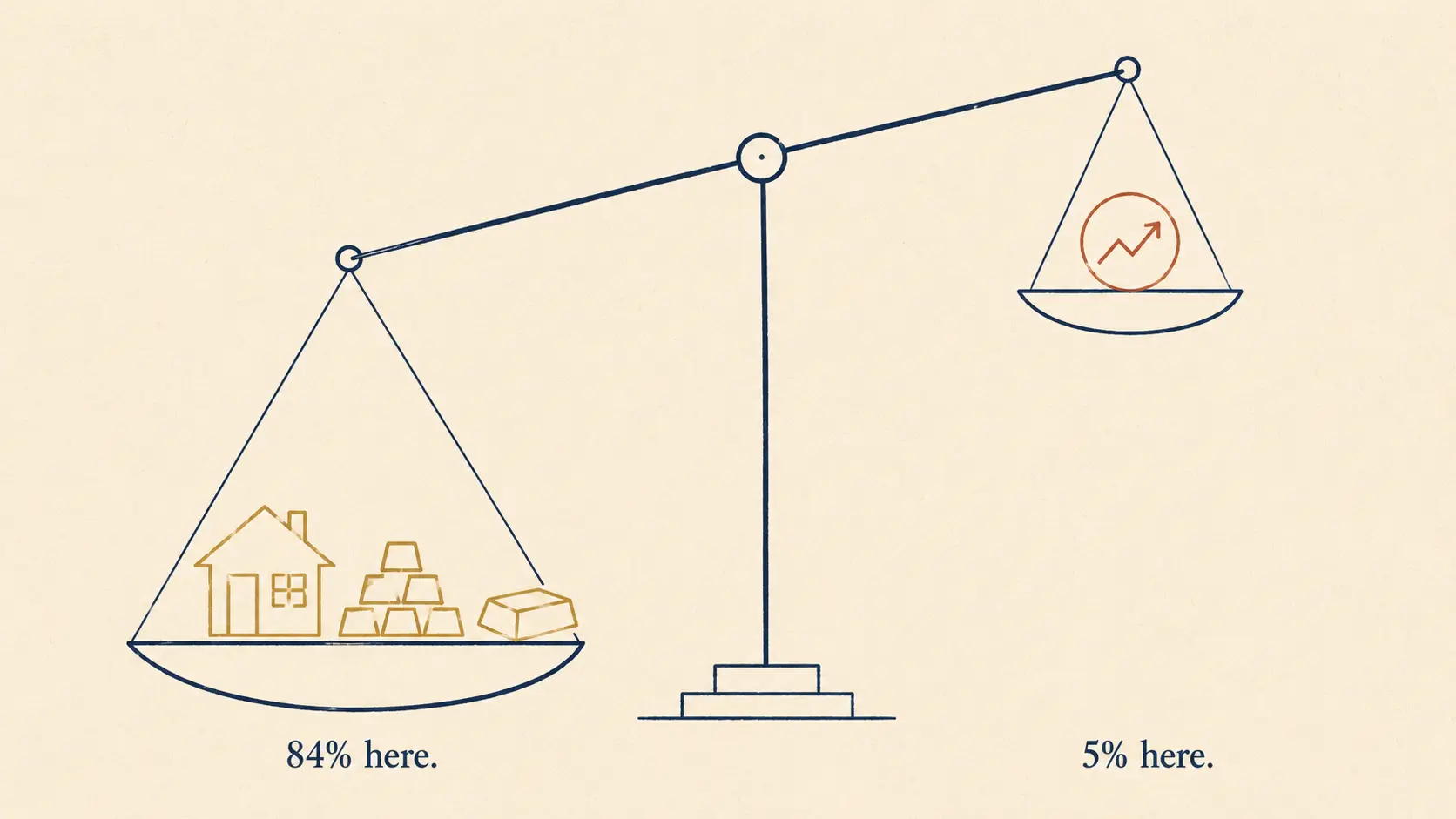
77-90% of Indian household wealth sits in real estate and gold, not financial assets that beat inflation—access, not literacy, is the real barrier.
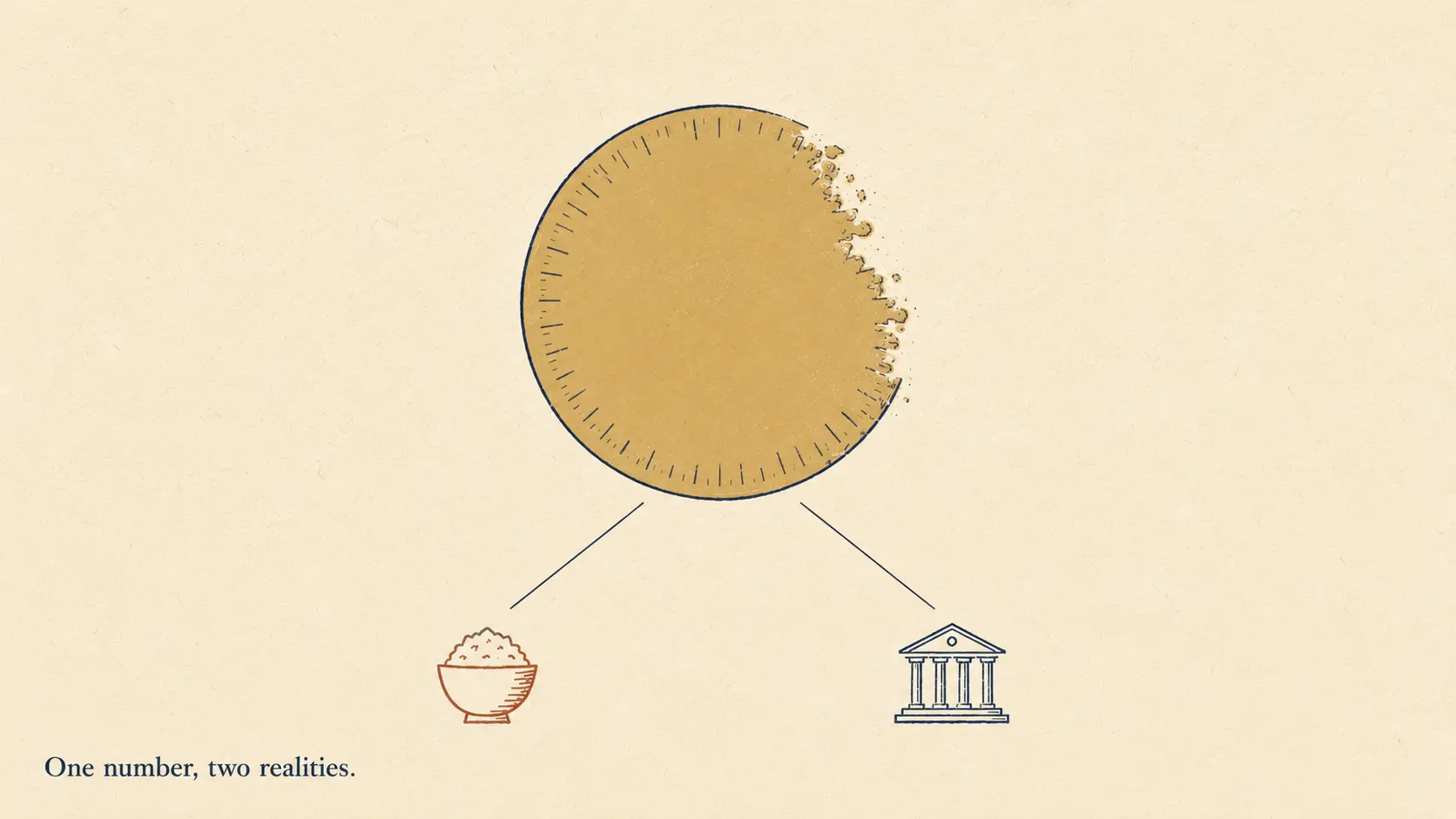
The RBI targets 4% inflation, not zero. Why that target exists, who bears the cost, and what CPI vs CFPI reveals.
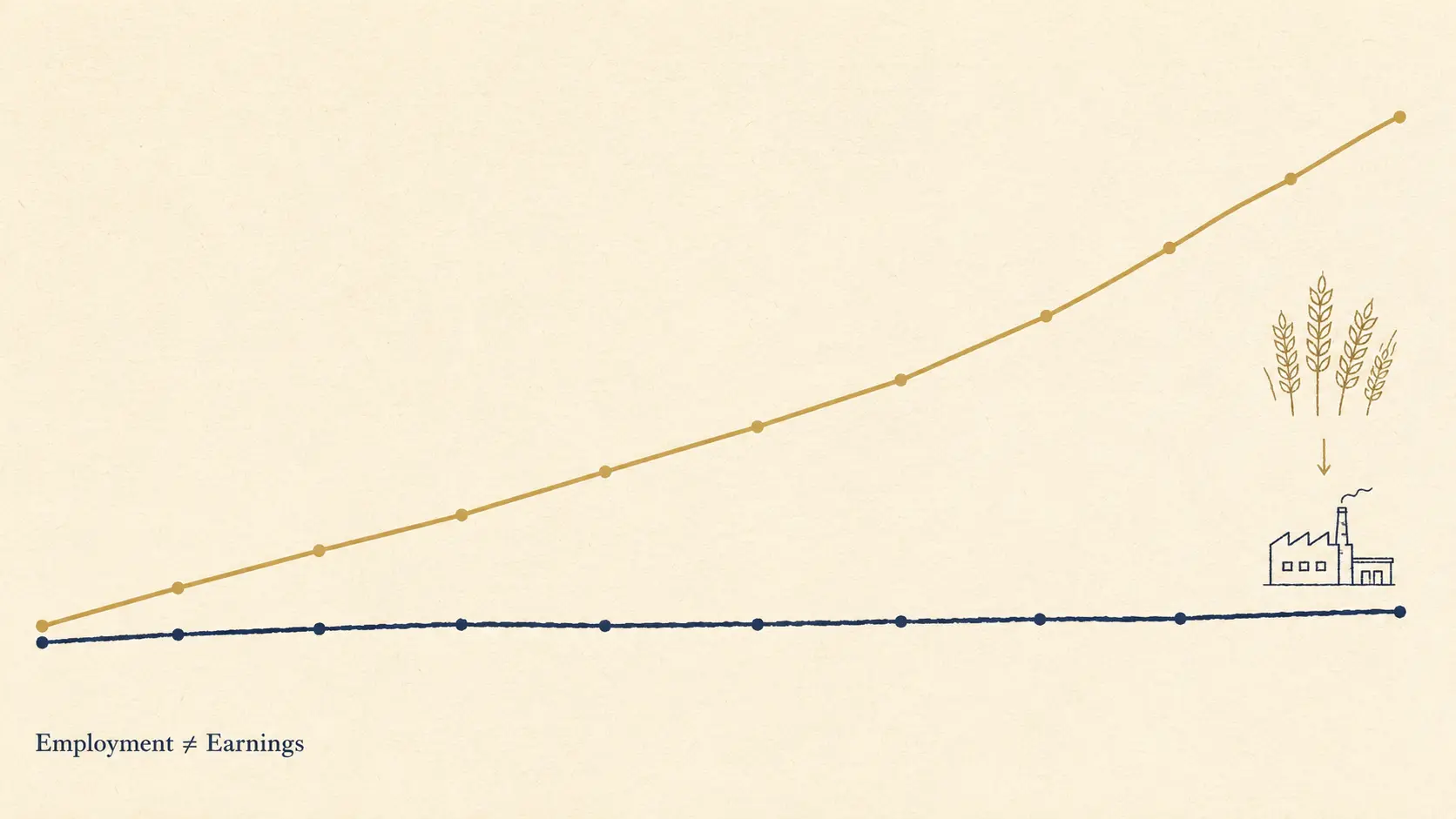
India's unemployment rate fell from 6.0% to 3.2% between 2017–18 and 2023–24. Real wages barely moved. A data-first look at why.
Closing a 10-week series on Indian institutions, I drop the hedging and say plainly what I believe about reform, timing, and the decade ahead.
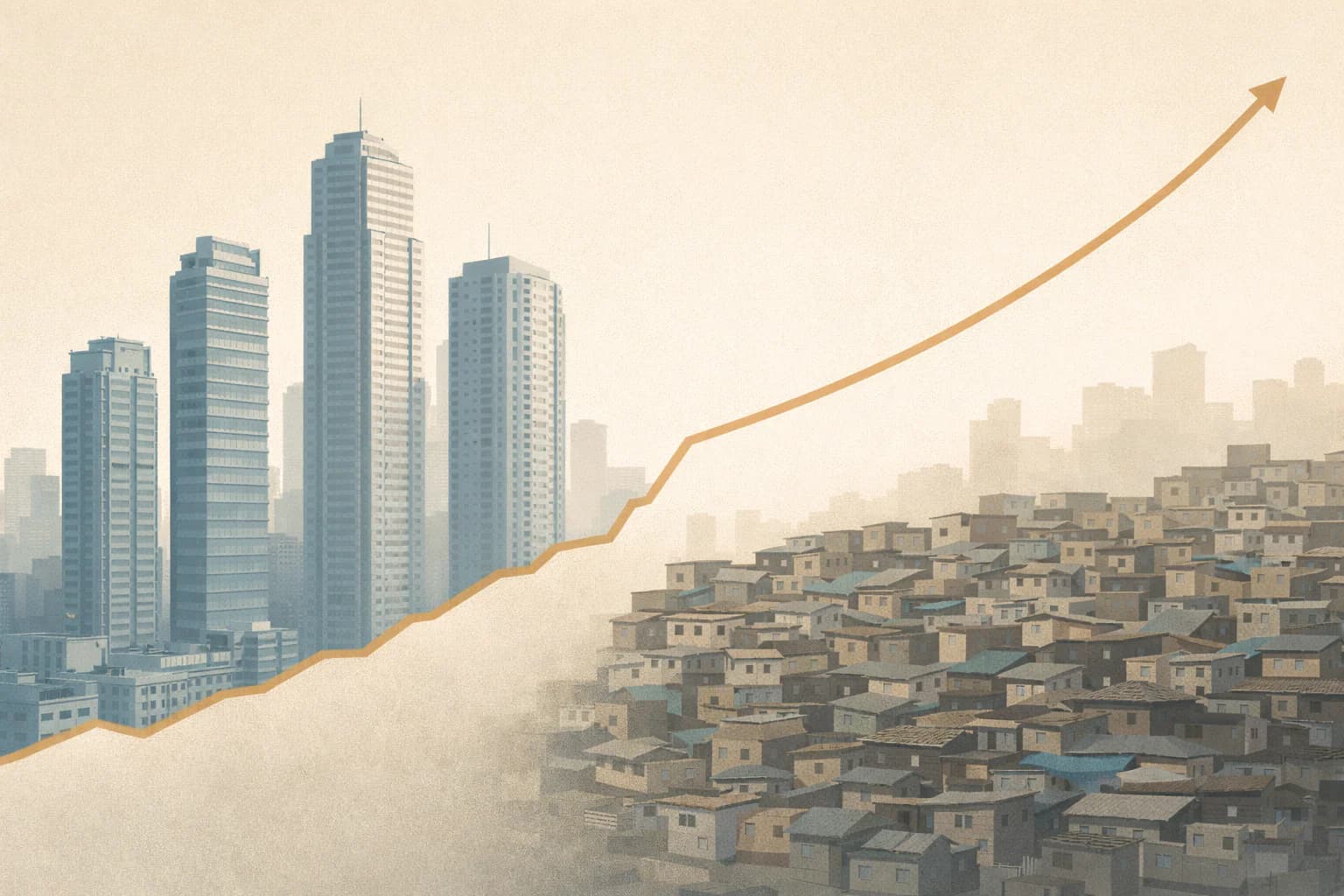
India's top 1% income share now exceeds colonial-era levels. This essay examines the specific economic costs of that concentration.
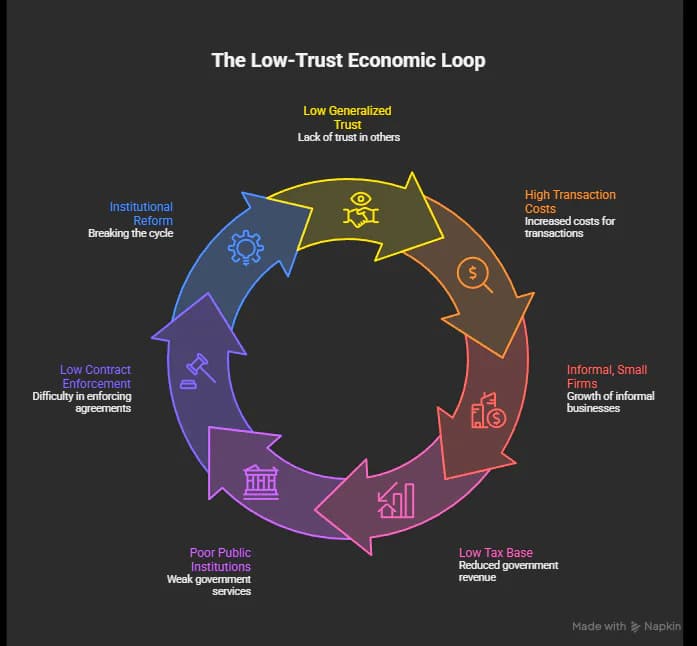
Trust functions like infrastructure, not just culture. Why India's low generalized trust raises transaction costs, and how institutions—not culture—can fix it.
Baliyatra draws record crowds and revenue, yet traditional Odia crafts are vanishing from its stalls. Here's the economic logic behind why.

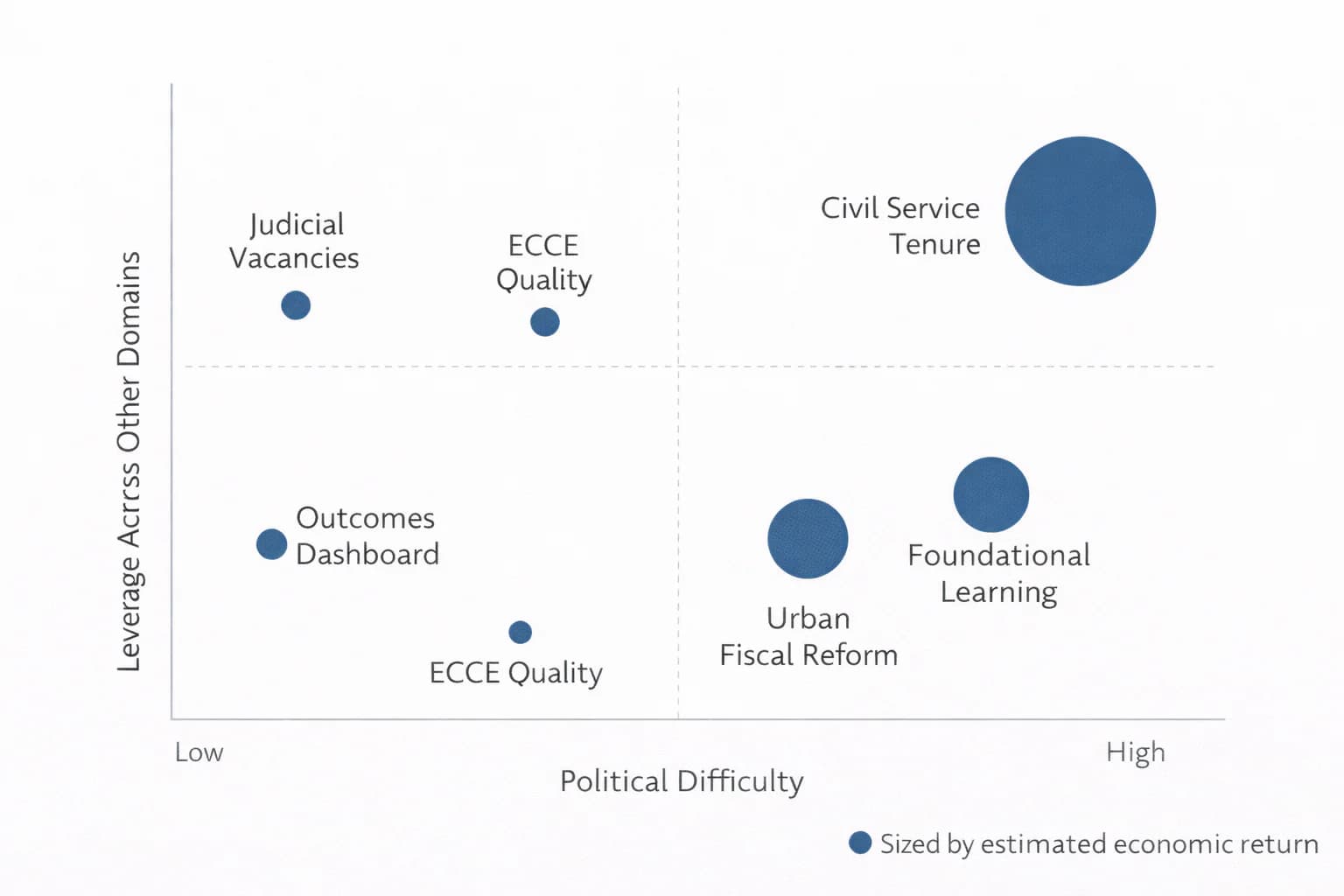
Six months of deep research into India's institutions reveals interconnected systemic failures, real successes, and six high-leverage reforms.

What the numbers actually say about Bitcoin's shift from experiment to global store of value.

A structural comparison of India and China's economies from 2000-2025, examining inequality, surveillance, and industrial policy.